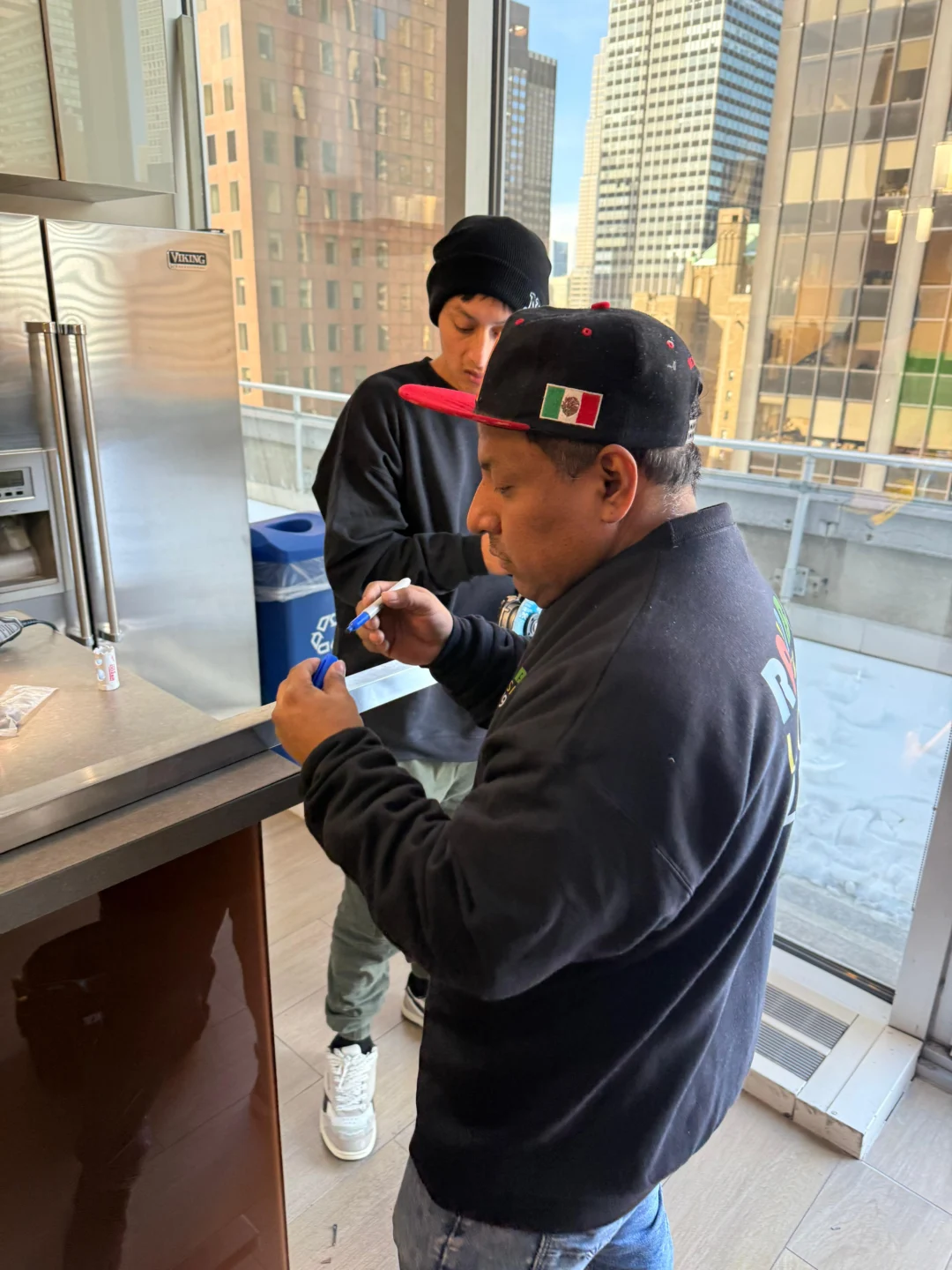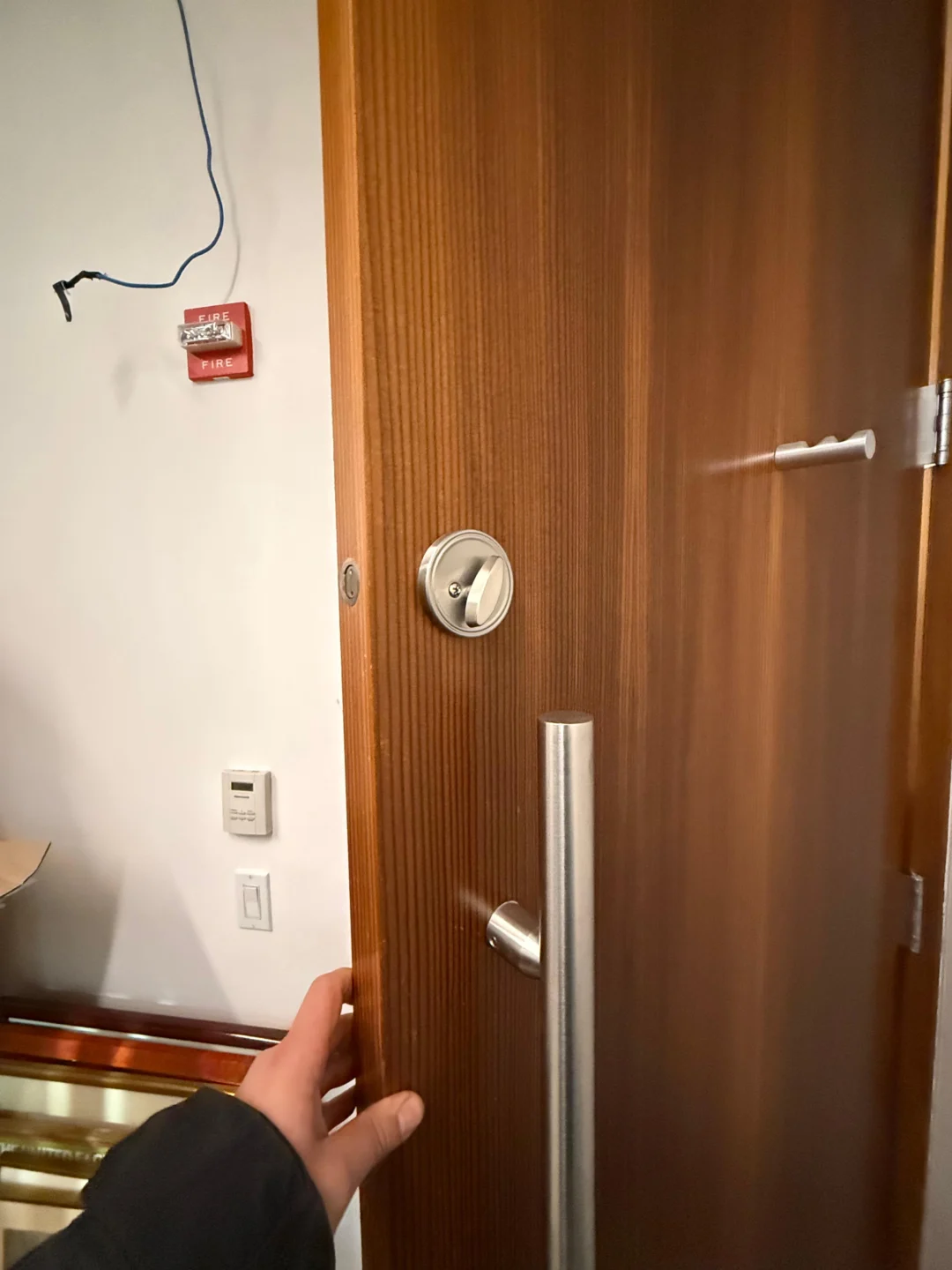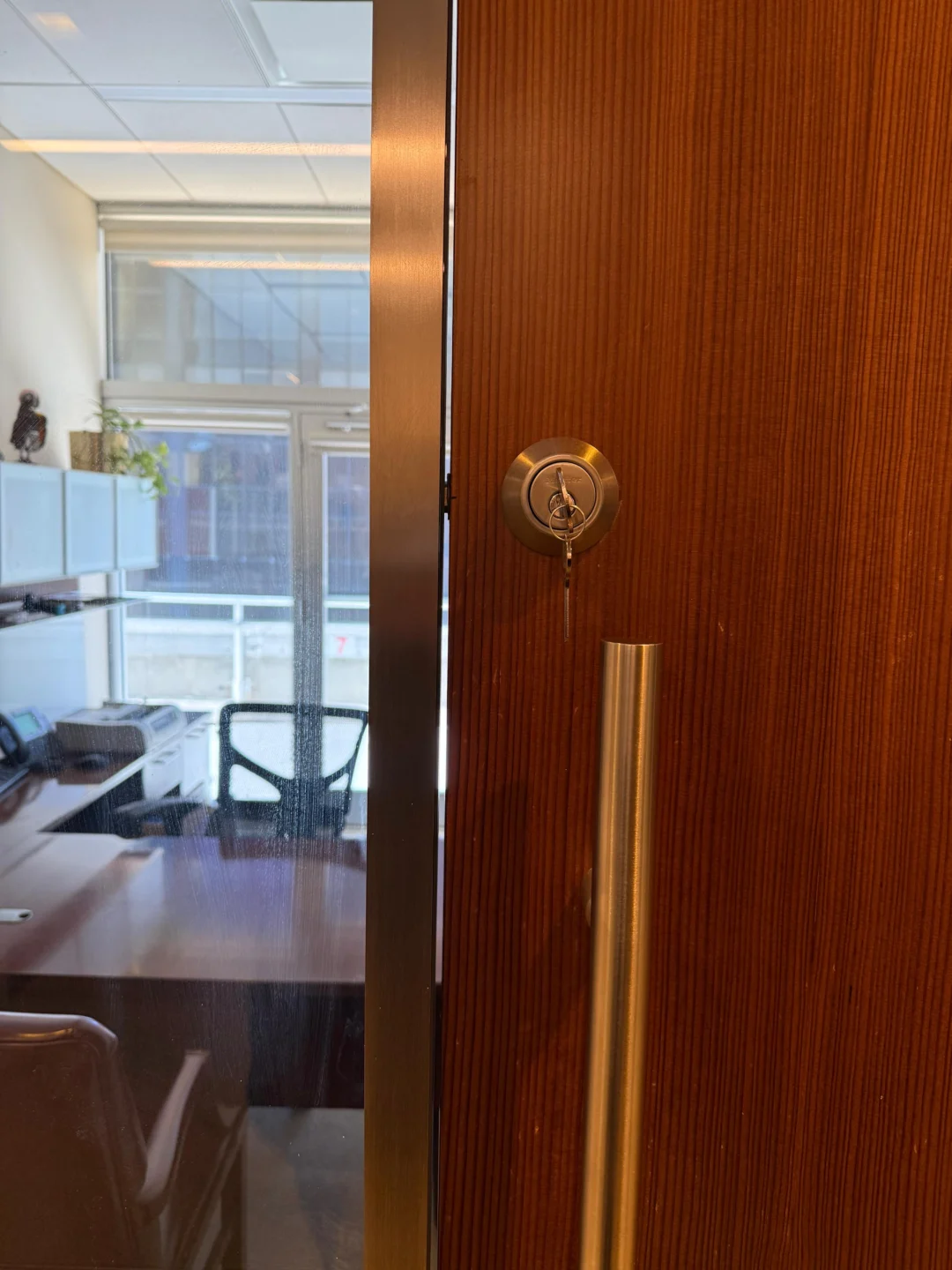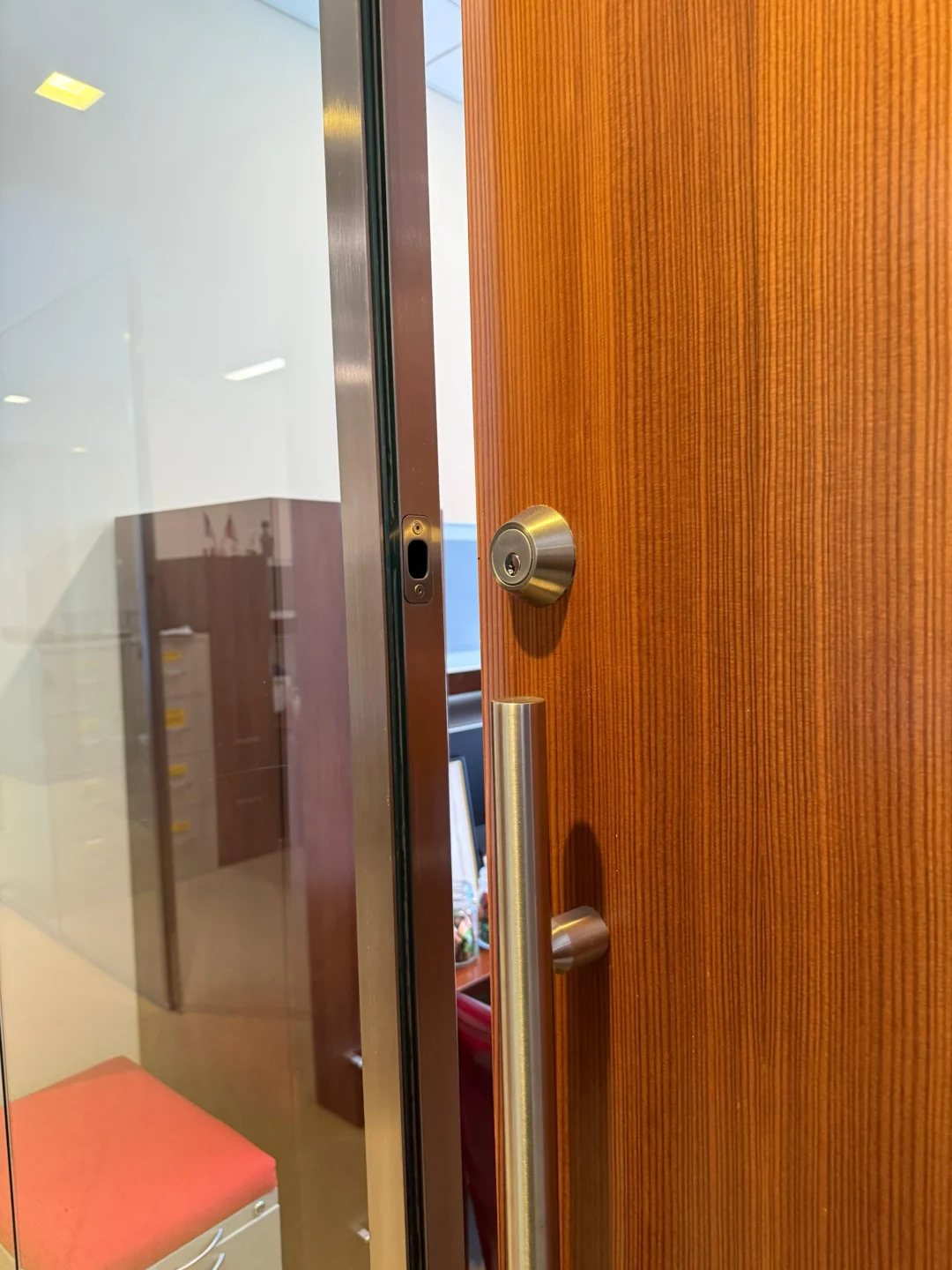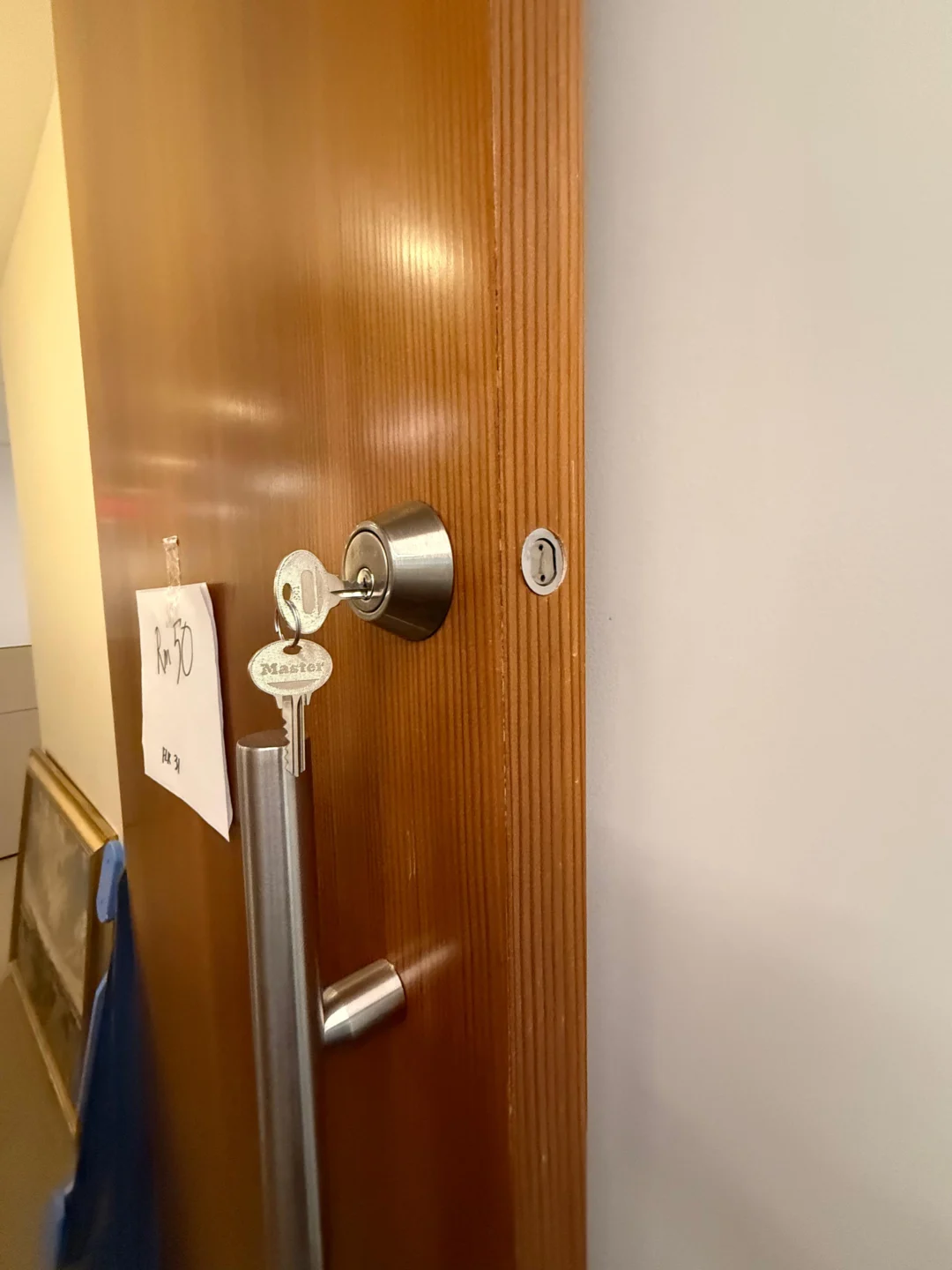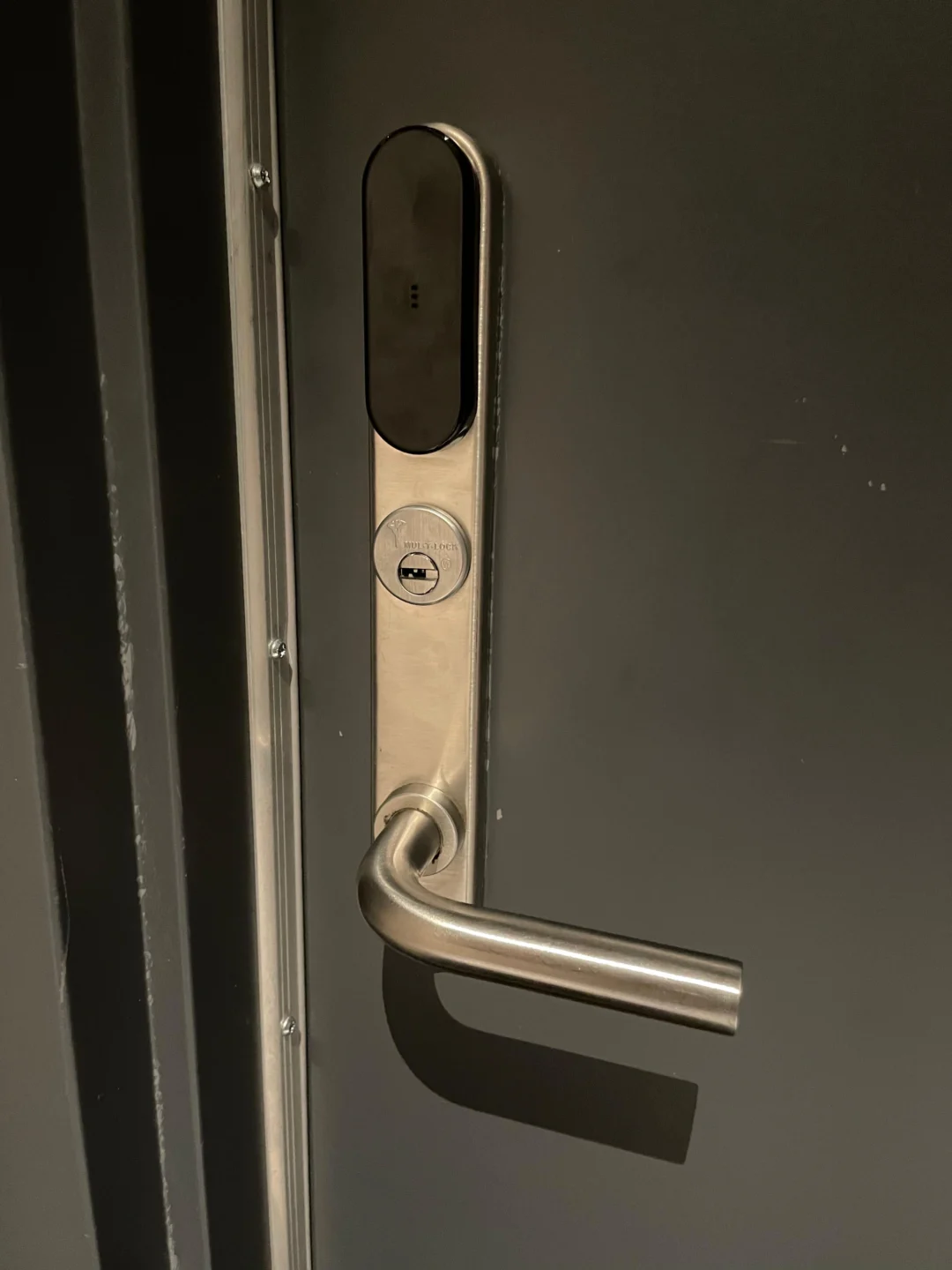
A mortise lock that suddenly refuses to turn does not automatically need to be replaced. The problem might be the key. It might be inside the cylinder. The threaded mortise cylinder may be sitting at the wrong depth. The rear cam may be incorrect or out of position. The lock case may be binding. Or the entire lock may work perfectly with the door open and fail only after the door closes because the bolt is pressing against the strike.
That range of possibilities is what makes mortise-lock troubleshooting different from diagnosing a basic residential deadbolt. Mortise locks contain a lock body installed inside a pocket in the edge of the door. Depending on the function, that case can coordinate a keyed cylinder, cam, latchbolt, deadbolt, lever or knob, spindle, springs, and other internal components. Current SARGENT mortise-lock documentation alone shows numerous functions where the key, lever, latchbolt, and deadbolt interact differently.
So before you force the key or order a new cylinder, identify where the movement stops. This guide uses a symptom-based approach: does the key enter? Does it turn with the door open? Does the cylinder turn without operating the lock? Does the inside control work? Did the problem begin after service? That sequence can separate a simple alignment issue from an actual mortise-lock failure. Rainbow Locksmith NY specifically handles prewar mortise-lock repair as part of its residential locksmith work in New York City, making this especially relevant to older NYC apartment doors.
A mortise lock may not turn because of a worn key or cylinder, door and strike misalignment, incorrect cylinder depth, a wrong or damaged rear cam, trim or spindle binding, or an internal mortise lock-case failure. First test the lock with the door open. If it works open but not closed, inspect door and strike alignment. If the key turns but the bolt does not move, inspect the cylinder cam and its engagement with the lock. If neither the key nor inside control operates the lock with the door open, the mortise lock case may require repair or replacement.
Quick diagnosis: which mortise lock problem do you have?
Start with the symptom that matches your lock most closely.
| Symptom | More likely area to check |
|---|---|
| Key will not enter fully | Key, debris, cylinder |
| Key enters but will not rotate | Cylinder, key, cam pressure, lock case |
| Key turns only with door open | Strike or door alignment |
| Key turns partway and stops | Bolt pressure, cam, internal binding |
| Key turns but bolt does not move | Cam or cylinder-to-lock interface |
| Key spins unusually freely | Cam/actuator engagement |
| Inside thumb turn works but outside key does not | Cylinder or cam |
| Neither key nor thumb turn operates bolt | Lock case/deadbolt mechanism |
| Problem started after cylinder replacement | Cylinder depth, cam, installation |
| Lever also feels stiff | Lock case, trim, spindle, alignment |
The most useful observation is whether the failure exists with the door open as well as closed.
First rule: do not force a mortise lock key
A mortise lock can contain robust hardware, but your key is still a relatively small piece of metal. If the cylinder stops abruptly, additional force does not necessarily overcome the problem. It can instead produce a bent key, a broken key, a damaged cylinder, a damaged cam, or additional internal lock-case damage. Stop if the key begins to flex or if normal pressure produces no movement. If the key has already broken or the apartment cannot be opened, Rainbow Locksmith NY’s emergency lock repair service covers jammed locks, broken mechanisms, and other urgent lock failures.
Step 1: test a known-good key
Before blaming the mortise lock, inspect the key. Look for a bent blade, heavy wear, cracks, damaged cuts, debris, or a recently copied key that has never worked correctly. If you have another original or known-good key, test it gently.
Only one key fails
If one key will not turn but another works normally, the lock itself is less likely to be the primary problem. The bad key may be worn, bent, incorrectly duplicated, or damaged. Do not continue using a key that requires increasingly precise jiggling to operate.
Every correct key fails
If several known-good keys produce exactly the same symptom, focus on the cylinder, lock case, cam, or door alignment.
Step 2: test the mortise lock with the door open
This is the single most useful test in the article. If the door is currently open, keep it open. Operate the lock several times with the door away from the frame. Test the key, the inside thumb turn if present, the inside lever or knob, the deadbolt, and the latch.
If the lock turns normally with the door open
The cylinder and mortise case may be functioning correctly. Your problem is more likely related to the door meeting the frame. Check the strike position, door sag, loose hinges, frame movement, weatherstripping, and the deadbolt pocket.
If the lock is still hard to turn with the door open
The strike is no longer applying pressure to the bolt. Focus instead on the key, cylinder, cam, cylinder installation, trim pressure, and the mortise lock case. This simple division prevents a lot of unnecessary lock replacement.

Key turns with door open but won’t turn when door is closed
This is primarily an alignment symptom. When the deadbolt or latch enters the strike incorrectly, pressure can be transferred back through the mortise mechanism to the cylinder. You may notice that the lock works only if you push the door, pull the door, lift the door, or hold the handle a certain way. Those are strong clues that the lock and frame are no longer meeting naturally.
Check the door gap
Stand back and inspect the gap around the door. Look for a smaller gap near one upper corner, the door rubbing against the frame, the door sitting lower on the latch side, fresh scrape marks, and strike wear marks. Aging doors and loose hinges can gradually move the lock relative to the strike.
Check the deadbolt opening
Slowly close the door and observe where the deadbolt meets the strike. The bolt should travel into its pocket without being forced upward, downward, inward, or outward. Do not immediately make the strike hole much larger. If the door itself has sagged, moving or enlarging the strike can hide the symptom while allowing the underlying hinge problem to continue. This Old House’s current mortise-lock repair guide likewise recommends evaluating door and strike alignment as part of troubleshooting a mortise lock that binds or operates poorly.
Key only turns when you push the door
If light pressure makes the key suddenly easier to rotate, the deadbolt is probably under side pressure. The lock is telling you something: the cylinder can operate, but the bolt does not have a clean path into or out of the frame. Possible causes include a strike positioned too far inward, weatherstripping pushing the door outward, a warped door, a shifted frame, or movement on the latch side of the door. Do not make “push the door while turning the key” your permanent unlocking procedure. Once a lock requires a special trick every time, it needs adjustment.
Key only turns when you lift the door
This points more strongly toward door sag. Check the top hinge, hinge screws, hinge wear, the door-frame attachment, and uneven reveals. If lifting the handle changes deadbolt alignment, fix the door-position problem before modifying the mortise lock.
Key goes in but will not turn at all
Now test whether the problem is confined to the cylinder. A key that enters to full depth but refuses to rotate can indicate an incorrect key, a worn key, cylinder contamination, worn cylinder components, a cylinder installed under pressure, cam binding, or internal lock-case resistance. Do not assume “add lubricant” is automatically the correct repair. Different manufacturers specify different cylinder-maintenance products. For example, Schlage’s current L9000 mortise-lock maintenance guidance recommends electronic contact cleaner when cylinder cleaning is needed and specifies Fin Lube TF for its cylinders; ASSA ABLOY publishes different product-specific cylinder lubrication guidance and explicitly warns against certain generic lubricants for some systems. The practical rule is: use the maintenance product specified for the actual cylinder – not whatever spray happens to be nearby.
Do not assume graphite is correct for every mortise cylinder
This deserves a separate warning because generic DIY articles often recommend graphite as though all lock cylinders are interchangeable. They are not. ASSA ABLOY explicitly warns against grease, oil, and graphite-based lubricants in certain ASSA cylinders and recommends its specified lock spray instead. Schlage provides its own maintenance specification for L-Series cylinders. So avoid statements such as “all mortise locks should be lubricated with graphite.” A better process is:
- Identify the cylinder manufacturer.
- Check the manufacturer maintenance instructions.
- Use the approved cleaner/lubricant sparingly.
- Test with the door open.
If correct maintenance does not restore smooth movement, continue diagnosis.
Key turns partway and then hits a hard stop
This symptom is different from a cylinder that will not move at all. The cylinder is engaging something, but the mechanism cannot complete its normal travel. Possible causes include a deadbolt loaded against the strike, the wrong mortise-cylinder cam, a cam positioned incorrectly, a cylinder installed too deeply, an internal deadbolt failure, or a bent or obstructed lock component. First repeat the test with the door open. If it stops only with the door closed, alignment is the first suspect. If it stops with the door open too, the problem is probably inside the lock/cylinder system rather than at the strike. Do not keep forcing the key through the hard stop.
Key turns but deadbolt does not move
This is one of the clearest signs that the cylinder and lock body are no longer interacting correctly. A mortise cylinder usually operates the lock through a cam mounted on its rear. The cam’s shape and position matter. Adams Rite specifically warns that the proper cam must be specified for the particular lock because mortise-cylinder cams are not generally interchangeable; its MS-series hardware, for example, uses an MS cam. Allegion’s Falcon documentation also lists multiple different cams depending on the mortise lock and function. So a cylinder can accept the key, rotate, and fit the door – and still fail to operate the lock if the cam is wrong.
What is a mortise lock cam?
The cam is the component attached to the rear of the mortise cylinder. When the key turns, the cam rotates and interacts with the lock case. Depending on the hardware, that movement can retract the latch, throw the deadbolt, retract the deadbolt, or change the lock function. The exact geometry varies. This is why replacing a mortise cylinder based solely on its visible front diameter is risky. The correct replacement may need the right cylinder length, keyway, cam, function, thread, and trim compatibility.
Wrong cam: a common problem after cylinder replacement
If your mortise lock worked before a cylinder change and immediately stopped functioning correctly afterward, investigate compatibility before blaming the lock body. Ask: was the old cam transferred? Is the new cam intended for this lock? Is it installed in the correct orientation? Is the cylinder the correct length? Is the cam reaching the operating component inside the case? Allegion documents different cam requirements even among related commercial mortise-lock families. That means “mortise cylinder” is not a complete specification.
Cylinder turns but nothing happens
If the key now rotates unusually freely and the bolt does not respond, the cam may not be engaging the lock. Possible causes include a wrong cam, a damaged cam, a loose cam, a cylinder sitting at incorrect depth, or a broken internal actuator. The sudden loss of normal resistance is important. If the lock used to require a predictable amount of effort and now the key spins almost freely, adding lubricant is unlikely to reconnect the mechanism.
Cylinder depth can affect mortise lock operation
Mortise cylinders thread into the door/lock assembly. They must sit at an appropriate depth. Too shallow and the cam may not engage properly. Too deep and the cam or cylinder can interfere with the lock case. Current commercial troubleshooting documentation notes that a mechanical key can bind or fail to operate properly when mortise-cylinder depth is misadjusted. This is especially relevant when a lock stopped working immediately after new cylinder installation, rekeying involving cylinder removal, trim replacement, or door repair. Do not keep threading the cylinder inward until it physically cannot turn farther. Correct depth is about function, not maximum tightness.
Mortise cylinder works before installation but binds after installation
This is a strong installation clue. If the key turns smoothly in the cylinder while the cylinder is removed but becomes difficult once the hardware is installed, something in the installation is introducing pressure or interference. Possible causes include a cylinder set too deep, a retaining screw interfering, an incorrect cam, trim pressure, a lock case that is not square, or an incompatible cylinder. This is not primarily a key-cut problem.
Check the cylinder retaining screw
Traditional and commercial mortise locks commonly use retention hardware to prevent the threaded cylinder from rotating out of position. If this hardware is loose, overtightened, damaged, or misaligned, the cylinder may move or bind. Do not simply tighten every visible screw as hard as possible. The goal is secure retention without distorting or interfering with the lock’s operation.
Entire mortise cylinder turns in the door
The key plug is supposed to rotate. The whole threaded cylinder body should not unscrew from the door every time you use the key. If the entire body moves, investigate the cylinder set screw, lock faceplate, threads, trim, and the previous installation. Adams Rite’s commercial hardware documentation confirms that mortise cylinders in compatible systems thread into the lock case and rely on proper retention. Do not continue using a cylinder that is gradually unscrewing. It can eventually come loose enough to stop engaging the lock or fall out.
Inside thumb turn works but exterior key won’t
This is one of the best diagnostic comparisons available. Both controls may operate the same deadbolt through different interfaces. If the inside thumb turn retracts and throws the bolt smoothly but the exterior key cannot perform the same action, the deeper deadbolt mechanism may still be healthy. Focus more closely on the exterior cylinder, cylinder installation, cam, key, and cylinder depth. This can prevent unnecessary replacement of the whole mortise case.
Exterior key works but inside thumb turn does not
The opposite symptom points toward the interior control rather than the keyed cylinder. Check the thumb-turn connection, interior trim, driver, and the related lock function. Again, the comparison tells you which side of the mechanism is failing.
Neither the key nor thumb turn will move the deadbolt
If both independent controls fail in the same way, the lock case itself becomes more suspicious. Possible issues include a jammed deadbolt mechanism, a broken internal component, bent linkage, severe contamination, a worn lock case, foreign material, or previous forced operation. This is especially significant when the problem remains with the door open. At this point, replacing the cylinder alone may accomplish nothing.
Handle or lever is also stiff
A mortise lock contains more than the cylinder and deadbolt. If the lever has also become difficult to move, the problem may be broader inside the lock case. Manufacturer service documentation shows that mortise-lock lever problems can result from spindle setup, trim alignment, handing, or mechanical binding depending on the product. Look for a lever not returning, a lever rubbing the trim, a drooping handle, a latch not retracting fully, or both key and handle unusually stiff. When several controls deteriorate together, complete lock-case service becomes more likely than a simple cylinder problem.
Lever works but key does not
If the lever smoothly retracts the latch but the key will not operate its intended mortise function, focus on the keyed side. Depending on the lock function, the key may control the deadbolt, the latch, outside lever locking, or multiple functions. Current SARGENT mortise-lock catalogs show that these relationships vary substantially by function. That is why you should identify the lock model and function before assuming what the key is supposed to do.
Problem started after the lock was re-handed
Commercial mortise locks can be hand-specific or require correct handing setup. Incorrect handing can cause internal interference on certain models. For example, Allegion documents a condition on electrified Schlage L9000-series mortise locks where incorrect RX-module/handing configuration can cause the lock to bind and prevent normal locking or unlocking. For a newly installed or reconfigured commercial mortise lock, review the exact manufacturer’s handing instructions before replacing components.
Problem started after new trim or lever installation
Trim can create mechanical binding when it is not aligned properly. Depending on the system, the spindle may bind, the trim can distort, the lever can rub, and the cylinder or cam can become misaligned. Commercial troubleshooting guidance specifically identifies trim alignment and spindle setup as possible causes of mortise-lock operation problems. If the lock was working immediately before the trim change, retrace that work first.
Problem started after rekeying
Rekeying itself changes the keying of the cylinder. But cylinder removal and reinstallation can introduce separate mechanical issues. If the lock began binding immediately afterward, check whether the correct cylinder was reinstalled, the cam is correct, the cylinder depth changed, the retention screw is correct, and the cylinder is sitting squarely. If the new key itself does not operate the cylinder even when removed from the lock, the cylinder or keying requires attention. If it works removed but not installed, focus on installation. Rainbow Locksmith NY offers rekeying services when the goal is changing key access, but a mechanical mortise failure needs to be diagnosed separately from key control.
Old mortise lock won’t turn
Older mortise hardware deserves a different mindset from an inexpensive modern cylindrical knob. Some older mortise locksets can be repaired because individual internal parts and springs may be serviceable. This Old House’s 2026 mortise-lock restoration guide demonstrates repair of a century-old mortise lock by removing the lock case, identifying worn internal components, replacing damaged parts, cleaning the hardware, and reassembling it. That does not mean every homeowner should open every antique mortise case. Old lock bodies can contain small springs, levers, washers, hubs, and specialty parts. Once opened, components can shift or spring out of position. If the hardware is valuable, historic, or difficult to replace, preserving the original lock may be worth professional repair.
Do not open an old mortise lock case while the door is locked
If the door cannot currently be opened, do not begin removing random visible screws from the trim. You may lose components, disconnect controls, damage the cylinder, or make later professional opening harder. Restore access first. Inspect or remove the mortise case once the door is safely open.
When DIY diagnosis is reasonable
Basic inspection is appropriate when you are authorized to work on the door and it is open. You can safely compare a spare key vs. a worn key, door open vs. closed, exterior key vs. interior thumb turn, bolt movement, lever movement, door alignment, loose trim, and visible cylinder movement. Those observations often tell you which component needs professional attention.
When DIY repair becomes riskier
Stop short of extensive disassembly when:
- The door is locked closed.
- The lock is antique or historically significant.
- A high-security cylinder is installed.
- A master-keyed system is involved.
- Internal parts are already loose.
- You do not know the lock function.
- The cylinder cam is unknown.
- Commercial egress hardware is involved.
- The lock is fire-rated or part of regulated door hardware.
Mortise lock cases are not all interchangeable internally.
Mortise lock won’t turn after cold weather
Cold weather can affect an exterior cylinder, but do not assume every winter lock problem is frozen. Ask whether the keyway has obvious moisture exposure, the problem appeared only after freezing temperatures, the lock returns to normal when temperatures rise, or the door itself moved due to weather conditions. If the cylinder is genuinely frozen, use manufacturer-appropriate de-icing and maintenance procedures rather than forcing the key. This is different from a mortise case whose key stops at exactly the same point year-round.
Mortise lock is harder to turn every month
Progressive deterioration usually deserves more attention than a one-time jam. A lock that gradually requires more force, more key movement, more door pressure, or multiple attempts is giving you advance warning. Possible causes include a worn cylinder, door sag, lock-case wear, loose hardware, and increasing strike misalignment. Fixing it while the door still opens normally is easier than dealing with a complete lockout.
Mortise lock makes grinding or clicking sounds
Pay attention to new sounds. A mortise lock naturally has more mechanical movement than a simple cylindrical latch, but a sudden new grinding, scraping, rattling, or loose clicking sound can signal that a component is misaligned, loose, worn, or broken. If the sound is accompanied by increased key resistance, stop forcing the mechanism.
Mortise lock deadbolt will not retract fully
First test with the door open. If it retracts fully with the door open but not closed, check strike and door alignment. If it still stops with the door open, inspect the mortise mechanism, cam engagement, cylinder depth, and deadbolt components. Do not make the strike opening larger when the deadbolt itself cannot retract with the door nowhere near the frame.
Mortise lock deadbolt will not extend fully
The same open-door test applies. If it extends fully while open but stops after the door closes, the strike pocket may be misaligned, too shallow, or obstructed. If it cannot fully extend with the door open, the issue is inside the lock or cylinder/cam system.
Lock works from inside but you are locked out from outside
If the exterior cylinder has failed while the interior controls still work, someone inside may be able to let you in normally. If nobody is inside, do not escalate to improvised entry attempts that can damage a valuable mortise lock or older door. Rainbow Locksmith NY’s emergency home lockout service handles malfunctioning residential locks in addition to lost-key lockouts.
Mortise locks on NYC apartment doors
Mortise hardware is particularly relevant in New York because older apartment and prewar-style doors can still use lock bodies installed inside the door rather than modern bored cylindrical hardware. Rainbow Locksmith NY works with prewar mortise locks and includes mortise-lock repair within its residential locksmith services. That can make a seemingly simple cylinder problem more specialized. Before replacing a mortise cylinder on an apartment entrance, determine whether the existing hardware is part of a building master-key system, a restricted-key system, a high-security system, or specialty historic hardware. Replacing the cylinder with a random retail cylinder can change more than the key.
Mortise lock vs. cylinder lock: know what you are diagnosing
A mortise lock refers to the complete lock architecture installed inside a mortised pocket in the door. A mortise cylinder is only one component that can operate that system. This distinction matters because “replace the cylinder” is not a complete answer when the problem is actually inside the lock case. For a deeper comparison, see our guide on mortise lock vs. cylinder lock: key differences.
When cleaning the cylinder may help
Cleaning is most relevant when key insertion feels rough, multiple keys drag in the cylinder, the cylinder has visible contamination, or the lock has not been serviced for a long time. Follow the cylinder manufacturer’s maintenance procedure. For example, Schlage’s current L9000 guidance allows electronic contact cleaner for its cylinder before application of the lubricant it specifies. Do not pour household cleaner into the lock.
When lubrication will not fix the problem
Lubrication cannot correct a wrong cam, a broken cam, incorrect cylinder depth, a sagging door, a misaligned strike, a broken deadbolt, a failed lock case, a bent spindle, a wrong cylinder, or damaged retaining hardware. If the key rotates freely but nothing happens, lubricant is especially unlikely to be the answer.
Repair or replace the mortise lock?
Mortise locks are often more repairable than people assume.
Repair may make sense when
- The existing lock is high quality.
- The door preparation is unusual.
- Historic hardware is valuable.
- The failure is isolated to the cylinder or cam.
- A replaceable spring or component failed.
- Strike or door alignment is the true problem.
This Old House’s current restoration example demonstrates that older mortise mechanisms can sometimes be repaired rather than discarded.
Replacement may make more sense when
- The lock case is severely damaged.
- Several internal components are worn.
- Correct repair parts are unavailable.
- The hardware has repeatedly failed.
- The cylinder and lock case are both damaged.
- The existing hardware no longer suits the door’s security requirements.
Rainbow Locksmith NY provides lock replacement for worn and damaged residential lock hardware.
Should you replace only the mortise cylinder?
Only when the cylinder is actually the problem. Cylinder-only replacement can make sense when the keyway is damaged, the cylinder is badly worn, the correct cylinder is available, the correct cam is known, and the lock case operates normally from another control. It is less useful when the inside thumb turn also fails, the bolt mechanically jams, the latch and lever are failing, or the lock case is damaged.
What about high-security mortise cylinders?
High-security cylinders should not be treated as generic replacements. Rainbow Locksmith NY currently works with high-security cylinders and lock systems including Medeco and Mul-T-Lock. If your mortise lock is part of a restricted or master-keyed system, preserve the correct keyway, authorization structure, master-key relationship, compatible cam, and cylinder dimensions. This is a stronger case for professional service.
Common mistakes when a mortise lock won’t turn
Avoid these troubleshooting shortcuts:
- Forcing the key through a hard stop
- Using a bent key
- Assuming lubricant fixes every problem
- Using graphite without checking manufacturer guidance
- Moving the strike before checking hinges
- Replacing the cylinder without checking the cam
- Installing the cylinder as deeply as possible
- Ignoring whole-cylinder movement
- Disassembling an antique mortise case while the door is locked
- Replacing a high-quality mortise lock before diagnosing it
- Treating every mortise lock function as identical
- Ignoring a problem that started immediately after service
The best diagnosis comes from comparing how the lock behaves under different conditions.
Mortise lock troubleshooting decision tree
- Key will not insert: check the key, inspect the keyway, try a known-good key, then manufacturer-approved cylinder servicing.
- Key inserts but will not turn: test with the door open, test a second key, assess the cylinder, inspect installation and cam.
- Works open but not closed: check hinges, door position, strike, and the deadbolt pocket.
- Key turns but lock does nothing: check the cam, cylinder depth, and lock-case engagement.
- Exterior key fails, inside control works: focus on the cylinder and cam.
- Exterior and interior controls both fail: focus on the deadbolt and lock case.
- Lever and key are both stiff: check trim, spindle, lock case, and overall alignment.
- Failure began immediately after service: recheck what was changed before replacing anything else.
Frequently asked questions
Why won’t my mortise lock key turn?
Common possibilities include a worn or incorrect key, cylinder contamination or wear, a cylinder installed under mechanical pressure, incorrect cam configuration, door/strike misalignment, or failure inside the mortise lock case. Manufacturer documentation confirms that cam selection, cylinder alignment, spindle configuration, and lock-case setup can all affect operation.
Why does my mortise lock work when the door is open but not closed?
That strongly suggests the latch or deadbolt is binding against the strike or door frame. Check door sag, hinge condition, strike alignment, and weatherstripping before replacing the cylinder.
Why do I have to push the door while turning the key?
Pushing the door changes the pressure between the bolt and strike. If that makes the key easier to turn, the door and strike are likely misaligned.
Why does my mortise cylinder turn but the deadbolt does not move?
The rear cam may not be engaging the mortise lock correctly. The cam can be wrong, damaged, loose, or positioned incorrectly. Cylinder depth can also affect engagement. Manufacturers such as Adams Rite and Falcon specify different cams for different mortise-lock applications.
Are mortise cylinder cams universal?
No. Adams Rite explicitly states that proper cams must be specified for the lock and that cam designs are not generally interchangeable. Allegion likewise lists different cams for different Falcon mortise-lock functions.
Can a mortise cylinder be installed too deep?
Yes. Incorrect cylinder depth can prevent proper lock operation or create binding. Commercial troubleshooting documentation identifies incorrect mortise-cylinder depth as one reason a mechanical key may not operate correctly.
Why does the entire cylinder turn with the key?
The mortise cylinder may no longer be properly retained. The threaded cylinder body should not normally unscrew during routine key operation. Inspect the cylinder retaining/set-screw arrangement appropriate to the lock.
Should I spray WD-40 into a mortise lock?
Do not assume a general-purpose spray is correct for the cylinder. Follow the cylinder manufacturer’s maintenance guidance. Schlage and ASSA ABLOY publish specific lubrication instructions for their hardware, and those recommendations differ.
Should I use graphite?
Not universally. ASSA ABLOY explicitly advises against graphite-based lubricant in certain ASSA cylinders, while other manufacturers may specify different products. Follow the instructions for the actual cylinder.
Why does my inside thumb turn work but the key does not?
If the thumb turn operates the deadbolt normally, the lock case may still be functional. The exterior cylinder, cam, key, or cylinder positioning should be investigated.
Why do neither the key nor thumb turn work?
If both controls fail even with the door open, an internal deadbolt or mortise lock-case failure becomes more likely.
Can an old mortise lock be repaired?
Often, yes, depending on its condition and availability of compatible parts. A 2026 This Old House repair project demonstrates restoration of a century-old mortise lock by servicing internal components instead of automatically replacing the complete lockset.
Is a mortise lock different from a regular deadbolt?
Yes. A mortise lock uses a lock case installed inside a pocket in the door and may coordinate the cylinder, latch, deadbolt, lever, spindle, and other functions in one assembly. SARGENT’s current mortise-lock documentation shows a wide range of different functional configurations.
Are mortise locks common on older NYC doors?
Yes. Prewar and older apartment doors frequently use mortise hardware, and Rainbow Locksmith NY specifically works with prewar mortise locks as part of its NYC residential services.
When should I call a locksmith?
Call when the key will not turn even with the door open, the cylinder rotates without operating the lock, the complete cylinder is loose, the deadbolt is internally jammed, antique hardware needs disassembly, a master-key or high-security system is involved, or the entrance can no longer be securely locked. Rainbow Locksmith NY provides emergency lock repairs and residential locksmith service in NYC.
Get help from Rainbow Locksmith NY
Mortise lock jammed, key stopping halfway, or a prewar lock that will not release? Rainbow Locksmith NY repairs and replaces mortise locks and cylinders across NYC – 24/7, with the price quoted before dispatch.
Rainbow Locksmith NY | 338 E 65th St, New York, NY 10065 | Licensed and insured | NYC DCWP License. Lock designs vary; follow your exact manufacturer’s guidance and avoid forcing hardware that is already failing.