
Your fastest path back in is to call 311 for the free Tenant Helpline, call 911 if you feel unsafe, and go to Housing Court the same day. This post explains exactly how the process works.
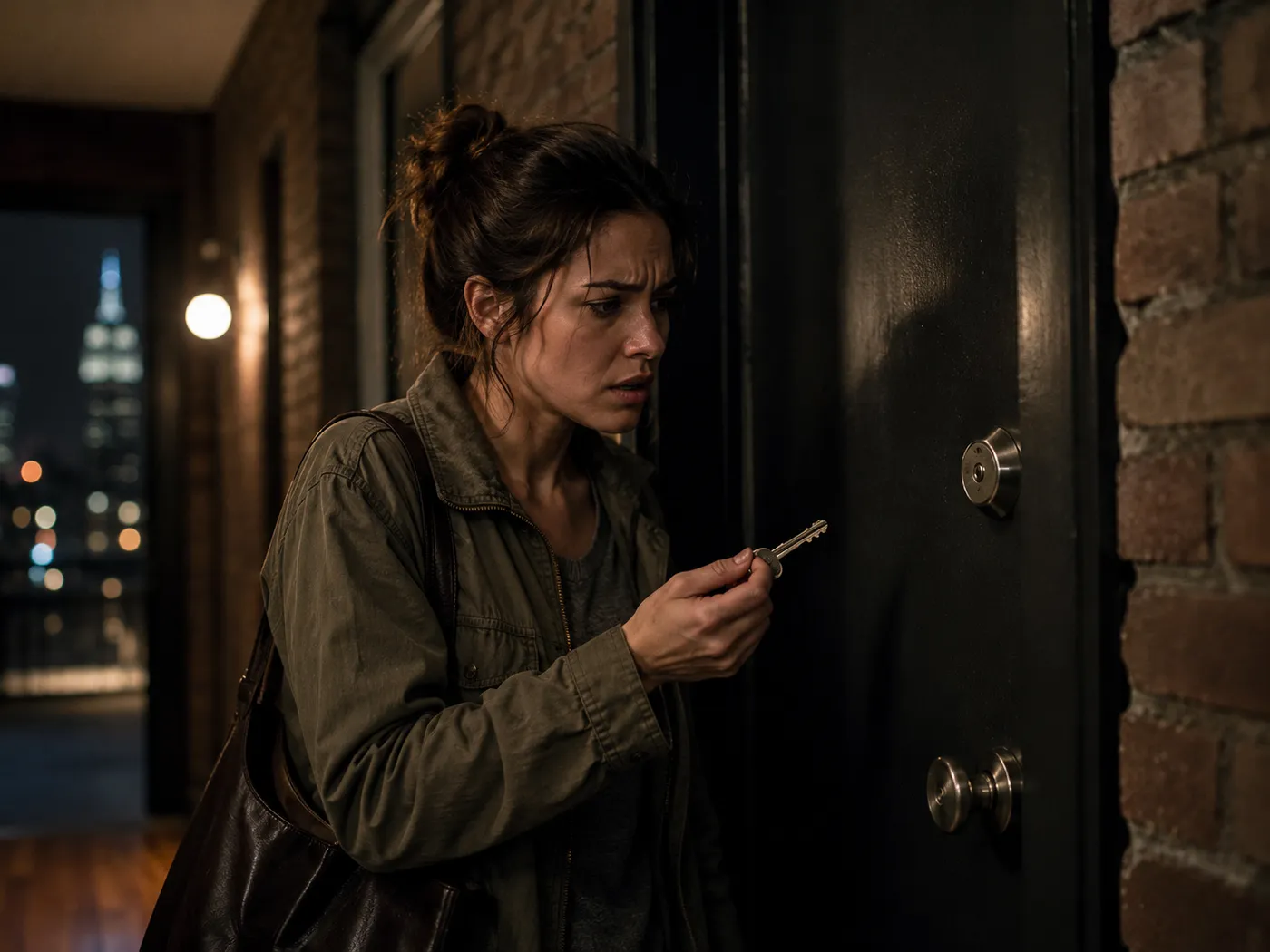
You come home after work and your key does not work. Or you find your locks have been changed while you were out. Or your landlord has padlocked the door. Whatever the scenario, you are facing one of the most stressful situations a NYC tenant can experience — an illegal lockout.
Take a breath. New York has some of the strongest tenant protections in the country, and what your landlord just did is almost certainly a crime, not a legal eviction. You have powerful legal rights, and the path back into your apartment is well-established — most tenants get back in within 24 to 48 hours.
⚠ Do These Things Right Now
- Stay calm. Do not break in or confront your landlord physically.
- Document everything. Photos of the door, locks, belongings outside, time stamps.
- Call 911 if you feel unsafe or your landlord is threatening you.
- Call the police non-emergency line to get an official police report.
- Call 311 and ask for the Tenant Helpline — free legal referral.
- Go to Housing Court the same day to file an Order to Show Cause.
- Do not pay your landlord any money to get back in. That is their crime, not your fee.
Need a locksmith after your court order? Rainbow Locksmith NY responds within hours. 212-879-5516
What Counts as an Illegal Lockout in NYC
Under New York Real Property Actions and Proceedings Law § 853 and NYC Administrative Code § 26-521, a landlord cannot remove a tenant or restrict their access without going through the formal court eviction process. In NYC, only a city marshal or sheriff — acting on a judge's warrant of eviction — can legally remove you.
Any of the following actions by a landlord, without a court warrant, are illegal:
- Changing the locks on your apartment door
- Installing a padlock or chain on your door
- Removing the door entirely
- Blocking your access to the apartment
- Shutting off utilities (heat, hot water, electricity, gas) to force you out
- Removing your belongings from the apartment
- Threatening you with physical force to make you leave
- Refusing to give you a working key after legitimate maintenance work
It does not matter whether you owe rent. It does not matter whether your lease has expired. It does not matter whether you are mid-eviction case. It does not matter what your immigration status is. None of these give your landlord the right to lock you out without a court order.
Who Is Protected Under NYC Lockout Law
If You Have a Written Lease
You are protected against illegal lockout from the moment you move in. Your immigration status, citizenship, and the specifics of your lease do not affect this protection.
If You Do Not Have a Written Lease
You are still protected if you have lived in the same apartment for at least 30 days — even if you never signed paperwork, pay rent in cash with no receipts, or have no formal tenancy documentation.
Subtenants, Roommates, and Family Members
If you have lived in the apartment for 30 days or more, you are protected even if you are a subtenant, a roommate not on the lease, or a relative of the primary tenant. The primary tenant cannot lock you out any more than the landlord can.
Rent-Stabilized and Rent-Controlled Tenants
Tenants in rent-regulated apartments have additional protections under the Rent Stabilization Code. An illegal lockout is a violation of both general tenant law and rent stabilization rules — you can file with both Housing Court and the Division of Housing and Community Renewal (DHCR).
Step-by-Step: What to Do Right Now
Stay Safe and Stay Calm
If your landlord is present and confrontational, prioritize your physical safety. Do not engage in a verbal or physical altercation. Move to a safe location and start the process from there.
Do not attempt to break in, force the lock, or remove the door. Even though your landlord is in the wrong, forcing entry creates legal complications and gives them ammunition against you. It is also unnecessary — the system works in your favor if you use it correctly.
Document Everything
Take photos and videos showing the changed lock or padlock, any belongings moved into a hallway, any notices or texts from your landlord, the apartment number and your name on the mailbox, and time stamps on your phone.
Gather evidence of residency: lease, rent receipts, utility bills, mail with your name and the apartment address, ID showing the address. Have digital copies on your phone since you may not have access to physical documents inside.
Call the Police
Call 911 if you feel unsafe or if your landlord is on-site and threatening you. Otherwise call the non-emergency line. An illegal lockout is a misdemeanor crime under NYC Admin Code § 26-521. Officers can document the lockout with an official report, order the landlord to restore your access on the spot, and charge the landlord criminally.
NYPD officers vary in enforcement — some will order immediate re-entry, others treat it as civil. Either way, get the police report number. You will need it for court.
Call 311 and Ask for the Tenant Helpline
Dial 311 and request the Tenant Helpline. This free service from the Mayor's Public Engagement Unit connects you with free legal services under NYC's right-to-counsel program. You likely qualify for free legal representation. Many tenants discover at this point they have rights and resources they never knew about.
Go to Housing Court the Same Day
This is the most important step. Go to your borough's Housing Court during business hours (typically 9am to 4:30pm) and tell the clerk you need to file an emergency Order to Show Cause for an illegal lockout.
- Manhattan111 Centre Street
- Brooklyn141 Livingston Street
- Queens89-17 Sutphin Blvd, Jamaica
- Bronx1118 Grand Concourse
- Staten Island927 Castleton Avenue
Bring your ID, evidence of residency, and the police report number. Court staff will help you with the paperwork. The court fee can be waived if you cannot afford it. A judge can hear the case the same day or next morning — and in clear cases, will sign an order directing your landlord to immediately restore your access.
What Happens After You File the Petition
Illegal lockout hearings are scheduled quickly — often within one or two days. The judge will hear from you and from your landlord. Bring all evidence, any witnesses, and your proof of residency.
If the judge finds in your favor (the most common outcome in clear cases), they will issue an order directing your landlord to restore your access immediately. The landlord must provide new keys or remove whatever obstruction is blocking your entry.
If your landlord refuses to comply, the police can enforce the order. In serious or repeat cases, the landlord faces criminal charges, civil penalties, and damages payable to you.
What You Can Recover Under RPAPL § 853
- Triple damages (3x your actual financial losses)
- Hotel costs while you were locked out
- Cost of replacement clothing, toiletries, necessities
- Lost wages if the lockout prevented you from working
- Damaged or stolen belongings
- Legal fees
- Other quantifiable damages
Your landlord may also face fines from the city, civil penalties from DHCR if you are in a rent-regulated unit, and criminal misdemeanor charges. NYC actively prosecutes illegal lockouts.
Common Lockout Scenarios and What to Do
"You owe me rent"
Owing rent does not give your landlord the right to lock you out. They must file a non-payment case, win a judgment, get a warrant, and have a marshal execute it. Usually takes 3 to 6 months.
"Your lease ended"
Lease expiration does not allow self-help eviction. The landlord must file a holdover case in Housing Court. Until a marshal executes a court warrant, you have the right to stay.
"I sent you a notice"
An eviction notice is the start of a court case, not the end. Only a marshal acting on a court warrant can legally remove you from your home.
"Apartment is condemned"
Ask for documentation of any vacate order from HPD, DOB, or FDNY. If they cannot produce it, the lockout is illegal.
Stuff in the hallway
Photograph everything immediately. Your landlord cannot remove belongings without a court order, and cannot keep or sell your property.
No heat or hot water
Constructive eviction via utility shutoff is illegal. Heat must be at least 68°F when outside is below 55°F. Call 311 for an HPD inspection immediately.
Primary tenant locked you out
If you have lived there 30+ days, you have the same protections as the primary tenant has against the landlord. The primary tenant cannot evict you without going through court.
"You never signed anything"
If you have occupied the apartment for 30+ days, you are protected regardless of paperwork — cash rent, no receipts, informal arrangements, all protected.
Cost of Dealing with an Illegal Lockout
Here is what to expect financially while resolving an illegal lockout. Most tenants pay zero out of pocket on the legal side.
| Service | Typical Cost | Notes |
|---|---|---|
| Housing Court filing fee | $45 | Can be waived if you cannot afford it |
| Legal representation | Free (if eligible) | Through 311 Tenant Helpline / Office of Civil Justice |
| Locksmith documentation | $100 – $200 | Confirms whether locks were changed or just damaged |
| Post-court access restoration | $150 – $300 | If landlord refuses to provide keys after court order |
| Emergency hotel costs | Variable | Recoverable from landlord under RPAPL § 853 |
| Documenting damages | $0 | Your phone camera is sufficient |
| Tenant rights consultation | Free | Mayor's Public Engagement Unit via 311 |
How a Locksmith Helps in an Illegal Lockout
As licensed NYC locksmiths, here is exactly what we can and cannot do for tenants in this situation.
- Document the lockout: confirm locks were professionally changed and provide a written statement for your court case
- After a court order: restore your access, rekey the lock, or install new hardware in your name
- Identify the brand and type of lock installed (relevant evidence)
- Provide testimony or documentation if subpoenaed
- Once you are back in: rekey or upgrade your locks so the landlord cannot do this again
- Help you break into your apartment without a court order or police authorization
- Provide legal advice — we can refer you to tenant rights organizations
- Confront the landlord on your behalf or get involved in property disputes
- Override a building's master key system or bypass building security
- Act on the landlord's instructions to keep you locked out
The right time to call us is before going to court (for documentation and a written statement) or after court (to restore your access and secure your apartment going forward). We can usually respond within hours of authorization.
What to Do After You Get Back In
- Change the locks immediately. Your landlord has demonstrated they are willing to break the law. Have the locks rekeyed or replaced within 24 hours. Provide a duplicate key to the landlord as required by NY Multiple Dwelling Law.
- Document the restored condition. Photograph the apartment showing its state when you return. Note any damaged or missing belongings to support a damages claim.
- Pursue damages under RPAPL § 853. File a separate action for triple your actual damages, plus legal fees. Evidence of intentional misconduct can also result in civil penalties and criminal charges.
- Switch to written communication. All future contact with your landlord should be in writing — email, text, or certified mail. Verbal agreements have no enforcement power.
- Know your retaliation rights. If your landlord retaliates by serving eviction papers or stopping repairs, that is also illegal under NY Real Property Law § 223-b. It can be used as a defense and the basis for additional damages.
Where to Get Help Right Now
- NYC Tenant Helpline Call 311
- Emergency Police Response Call 911
- NYC Housing Court (Your Borough) Same-Day Filing
- Mayor's Office to Protect Tenants nyc.gov/mayorspeu
- HPD Housing Violations 311 — Ask for HPD
- DHCR (Rent-Regulated Tenants) hcr.ny.gov
Frequently Asked Questions
Need a Locksmith After Your Court Order?
Once you have your court order and are back in your apartment, Rainbow Locksmith can rekey your locks so your landlord cannot use old keys again. Licensed, insured, and available across all five NYC boroughs.
338 E 65th St, New York, NY 10065 | Open 24 Hours