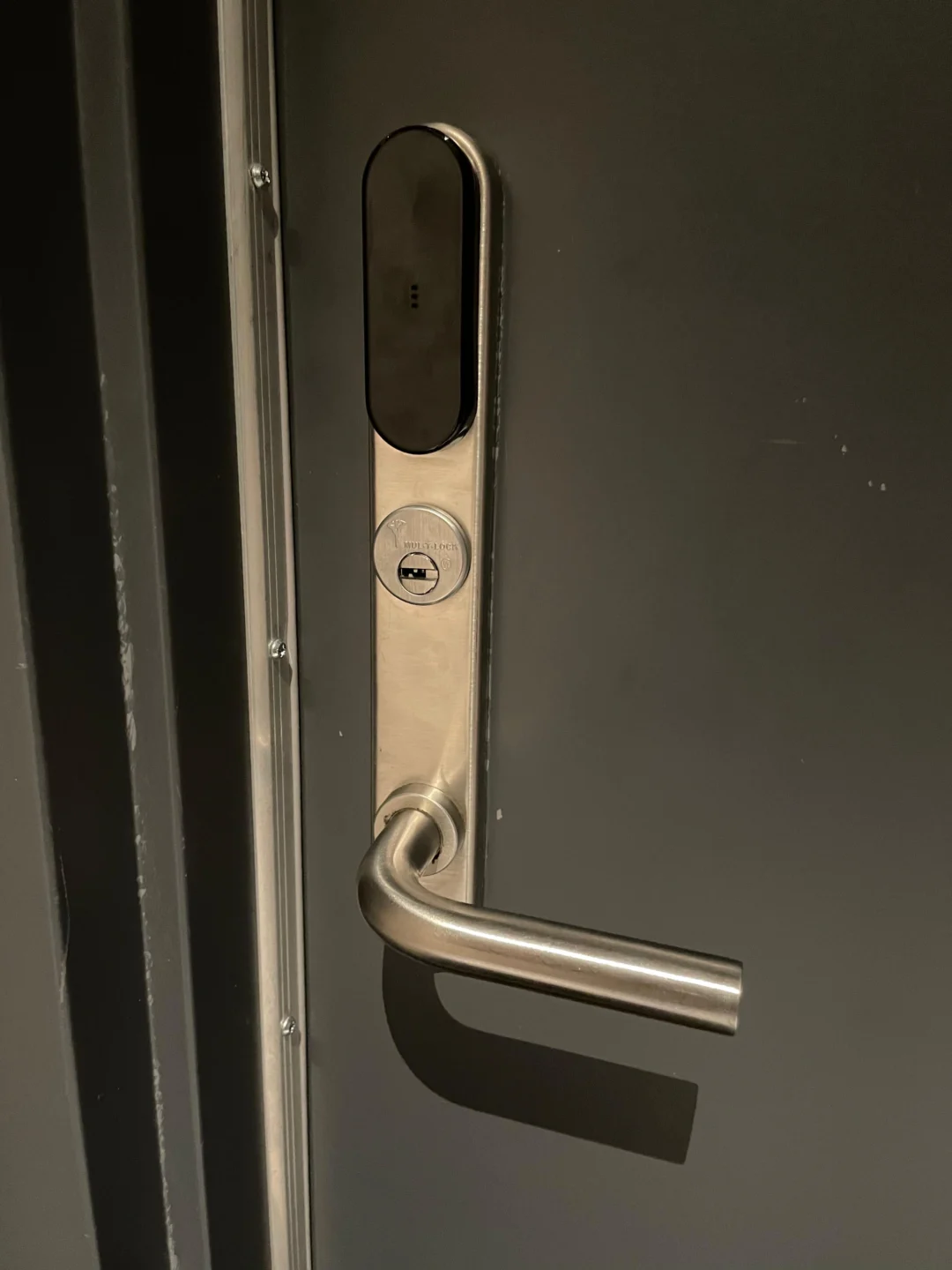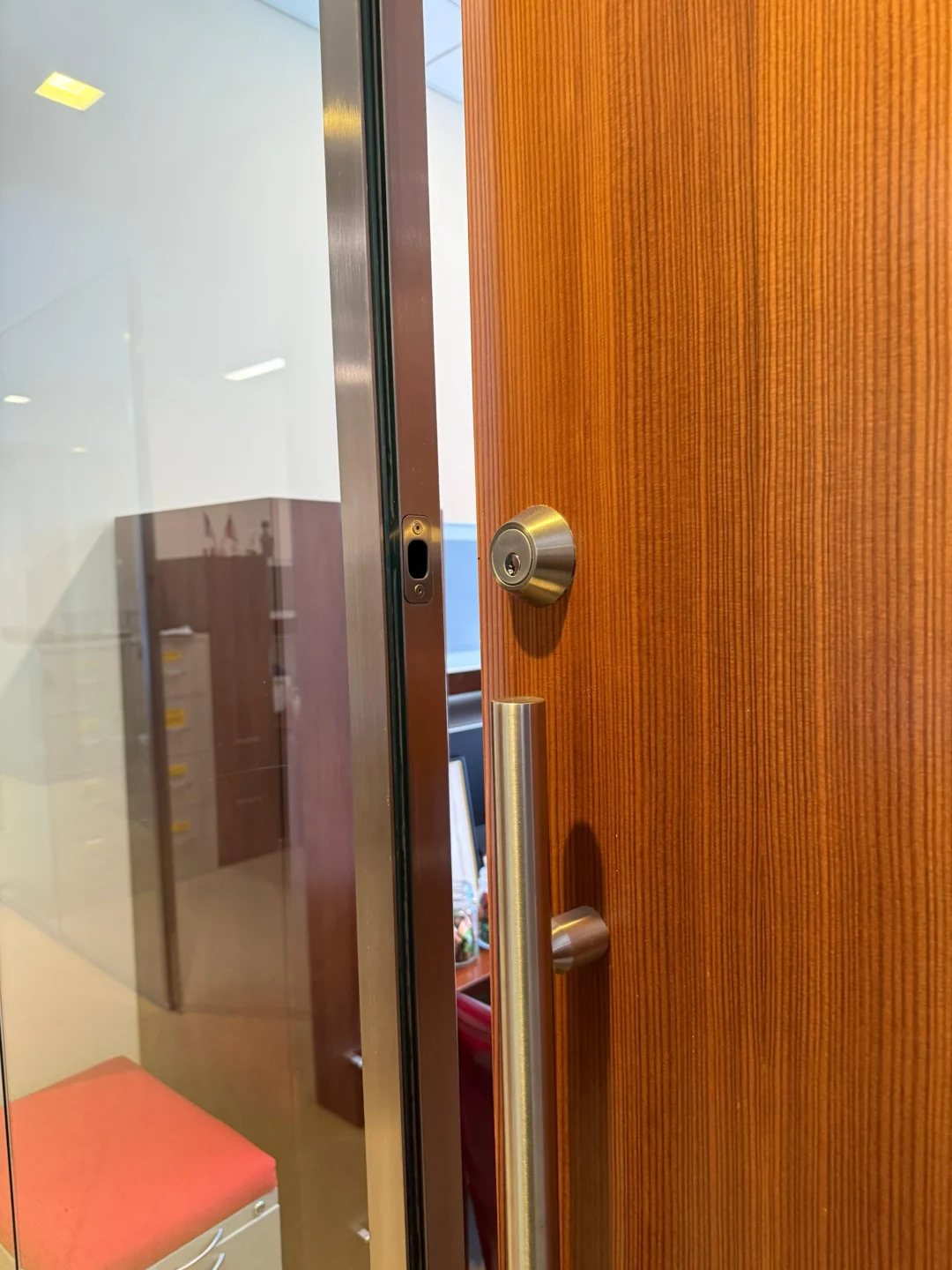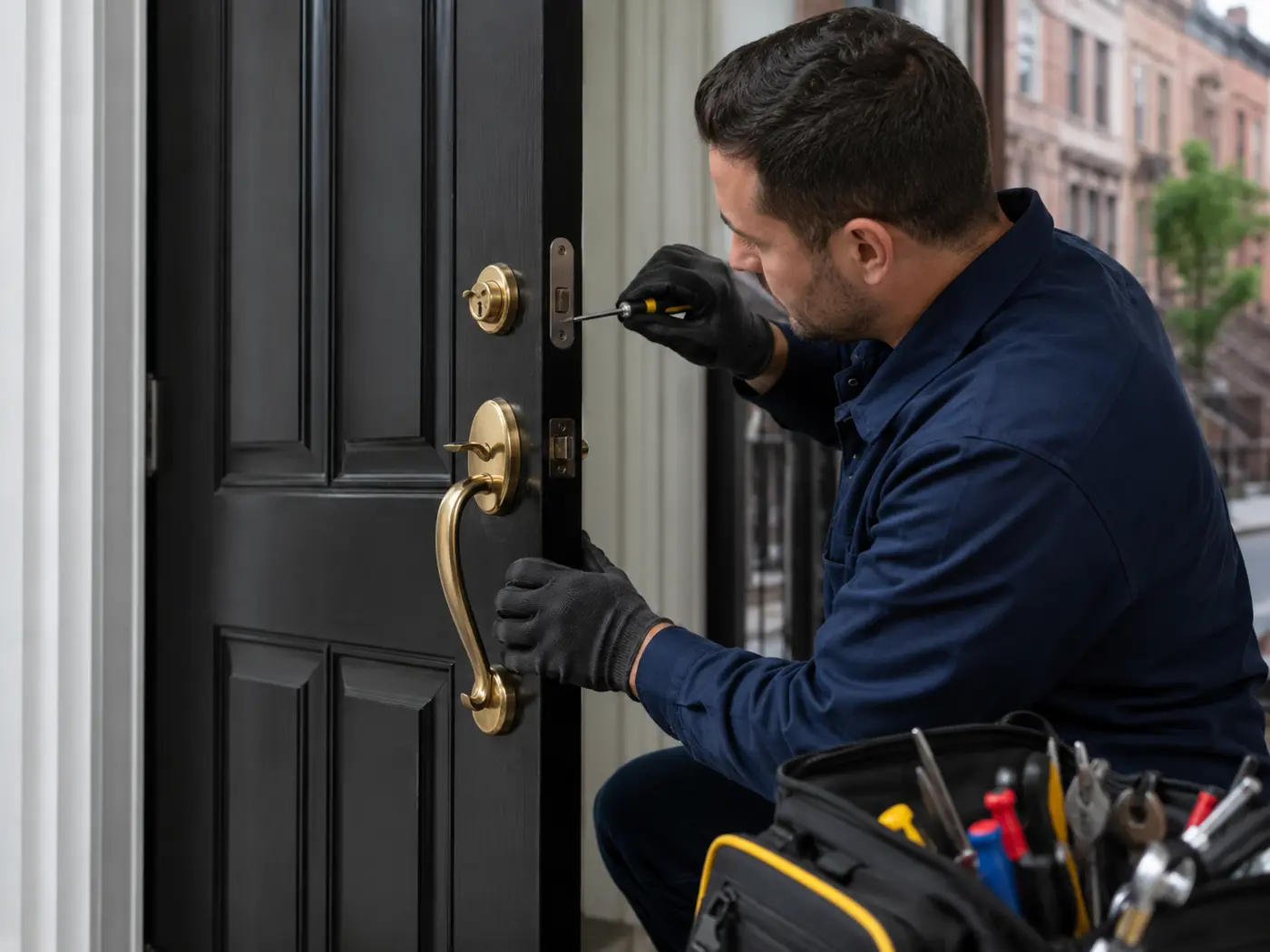
People search this for two reasons: they are locked out of their own place and getting desperate, or they are curious how secure their door really is. Either way, the honest answer from a working locksmith is that a basic door lock is easier to pick than most homeowners assume, and that fact is itself a useful security lesson. This guide explains how the mechanism works, what picking actually involves, where the law draws the line in New York, and why a professional is almost always the faster and safer route back in.
We are going to keep this educational and grounded. Understanding how a lock yields tells you a lot about which locks are worth your money and which give a false sense of safety. It also makes clear why a trained locksmith opens most doors without a scratch, while a rushed DIY attempt often ends in a damaged cylinder and a bigger bill.
Only ever pick a lock you own or have explicit permission to open. In New York, carrying picks under circumstances that show intent to use them unlawfully can be charged as possession of burglar’s tools under New York Penal Law 140.35. The technique is legal to know and practice on your own locks, and not on anyone else’s.
How a door lock actually works
Almost every residential door lock is a pin-tumbler lock, and once you picture the inside, picking stops being mysterious. Inside the cylinder sits a row of spring-loaded pin pairs. Each pair has a lower key pin and an upper driver pin, held down by a small spring.
When you insert the correct key, its cut pattern lifts each pair to exactly the right height so the gap between the key pin and the driver pin lines up along a boundary called the shear line. The shear line is the seam between the rotating plug and the fixed housing around it. Once every pin pair is split exactly at that line, nothing crosses the seam, the plug is free to rotate, and the lock opens.
Without the key, the pins sit at random heights, bridge the shear line, and physically block the plug from turning. Lock picking is the manual process of manipulating those internal parts, which is why even basic knowledge of the mechanism can help you understand the limits of low-grade hardware.
Why a lock can be picked at all
The reason some locks can be picked is simple: no lock is machined perfectly. Tiny manufacturing variations affect how the pins interact inside the cylinder. Lower-quality locks usually have looser tolerances, which makes them easier to manipulate. Better cylinders use tighter tolerances, security pins, restricted keyways, and anti-pick design features that make the process much harder.
This is why picking rewards patience and precision more than force, and why cheap exterior locks are rarely the level of protection homeowners think they are.
The tools people talk about
Lock-picking discussions usually mention a few common tools, but these are best understood from a security-awareness perspective rather than as a DIY lockout plan.
- Tension wrench: A small tool used to apply rotational pressure inside the keyway.
- Hook pick: A narrow tool used for controlled internal manipulation of individual pins.
- Rake: A textured pick used in a faster, less precise method that mainly works on cheaper locks with loose tolerances.
People sometimes try to improvise with bobby pins or paper clips, but improvised tools are thin and can snap inside the keyway easily. That is how a simple lockout turns into a broken-key-in-the-lock problem stacked on top of the original one.
The picking principle, explained safely
The basic principle is that pressure and internal pin movement are used together to align the lock’s internal parts at the shear line. When every pin sits correctly, the plug can rotate and the lock opens. In practice, this requires feel, proper tools, permission, and the right setting.
For homeowners, the practical takeaway is not how to open a lock. The takeaway is that a standard builder-grade knob or low-cost entry lock may not offer much resistance to someone with practice. That makes lock choice, installation quality, and a proper deadbolt far more important than most people realize.
Why this is a security wake-up call
A standard builder-grade knob or entry lock can often be defeated far more easily than a homeowner expects. If that is the only thing protecting your door, it is worth upgrading to something pick-resistant. Our overview of the lock types we see across NYC and how secure each one is is a good place to gauge where your current hardware stands.
Which locks are easy vs hard to pick
Not all locks yield the same way. The difference is mostly in the cylinder quality, tolerances, and pin design.
| Lock | Pick resistance |
|---|---|
| Builder-grade knob or entry lock | Low. Often opened quickly with loose tolerances that are easier to manipulate. |
| Standard deadbolt | Low to moderate, depending on the quality of the cylinder. |
| Locks with security pins, such as spool or serrated pins | High. These pins create false feedback and stop most casual attempts. |
| High-security cylinders with restricted keyways | Very high. These are engineered specifically to resist picking, raking, and bumping. |
Is it legal to pick a lock in NYC?
Picking a lock you own, or one you have the owner’s clear permission to open, is generally lawful. The problem is intent and consent, not the skill itself.
Under New York law, possessing tools like picks under circumstances that show intent to use them to commit a crime can be charged as possession of burglar’s tools under NY Penal Law 140.35. Opening someone else’s door without permission can also expose you to trespass or burglary charges on top of that.
If you are locked out of your own home and cannot prove it on the spot, a licensed locksmith who verifies your residency is the clean, defensible option, and it protects you as much as the property.
The faster, damage-free alternative
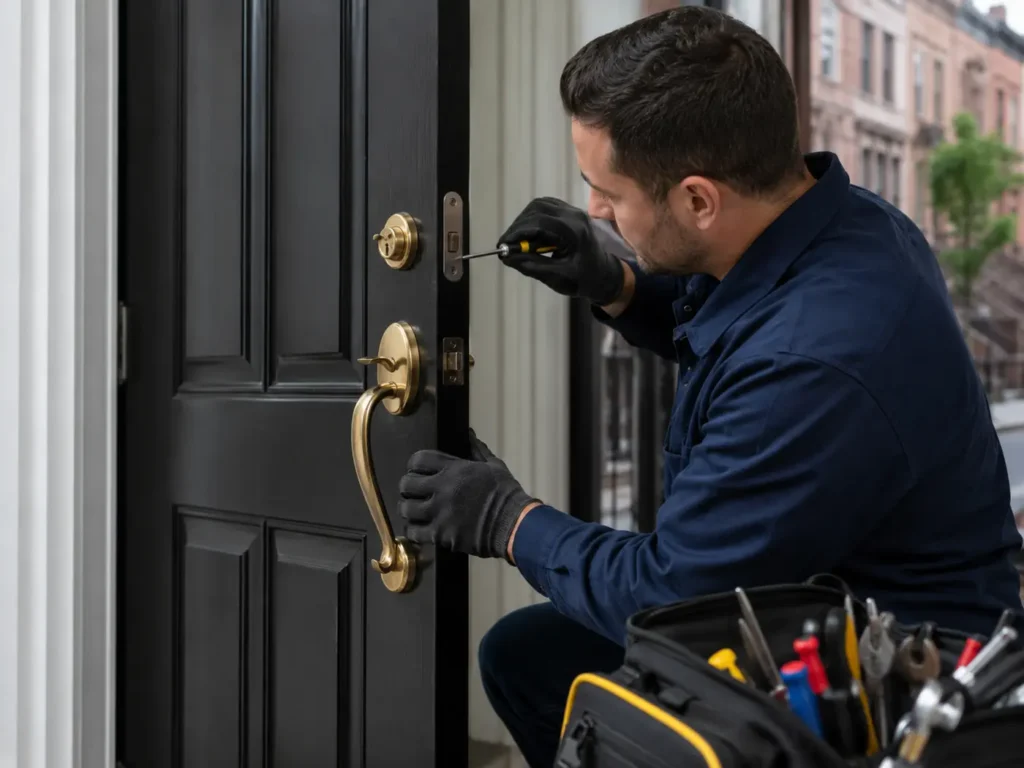
Here is what most guides leave out: even for a locksmith, picking is not always the quickest way in, but it is often the gentlest. A pro chooses the method that protects your hardware, which is exactly why a locksmith rarely drills a lock that can be opened or bypassed without damage.
A trained tech opens most residential locks in minutes, without damage, and can rekey or upgrade the cylinder on the spot if security is the real concern. A failed DIY attempt, by contrast, can score the plug, bend pins, or snap a tool off inside the keyway, turning a simple lockout into a full cylinder replacement. The math usually favors the pro the moment an improvised tool starts to bend.
When to call a locksmith
Call a pro the moment you are locked out and time matters, the lock is high-security, or you have already tried and felt something catch or snap. This is a routine emergency locksmith call.
If you are weighing your options first, our guide on how to unlock a door without a key in NYC and what to do when you are locked out of your apartment both walk through the safer, non-destructive routes.
Frequently asked questions
Is it illegal to pick a lock?
Picking your own lock or one you have permission to open is generally legal. Picking without consent, or carrying picks with criminal intent, can be charged as possession of burglar’s tools under New York Penal Law.
How hard is it to pick a standard door lock?
Basic pin-tumbler locks are easier to defeat than many homeowners expect, which is exactly why they offer limited security. Locks with security pins and higher-grade cylinders resist picking much more strongly.
Will picking my lock damage it?
Done correctly by a professional, non-destructive entry methods usually do not damage a lock, which is why locksmiths prefer them over drilling. Forcing the wrong tool or using too much pressure can ruin the cylinder, so a botched DIY attempt can be costly.
What is the easiest lock to pick?
Cheap builder-grade knob locks with loose tolerances are usually the easiest to defeat. That is a reason to upgrade exterior doors to a pick-resistant deadbolt or high-security cylinder.
Get help from Rainbow Locksmith NY
Locked out of your own door? Rainbow Locksmith NY opens, rekeys, and upgrades locks across Manhattan, fast and without damage.
Rainbow Locksmith NY | 338 E 65th St, New York, NY 10065 | Licensed and insured | NYC DCWP License. This article is general education about lock mechanics and security, not legal advice or a guide to unauthorized entry. Only open locks you own or are permitted to access.