Door Closer Services
A door closer that is set incorrectly causes problems every time someone uses that door. It slams too hard, closes too slowly, fights back when you try to open it, or fails to latch at all. Rainbow Locksmith NY provides professional door closer speed and pressure adjustment for residential and commercial properties throughout New York City. We dial in your closer to the correct settings so your door operates smoothly, safely, and consistently every single time.
A door closer is not a set-and-forget device. Adjustment valves inside the closer body control three separate functions, each of which affects how the door behaves at a different point in its travel. When any one of these settings drifts out of range, the door stops performing the way it should.
Temperature changes affect hydraulic fluid viscosity, which changes how the closer behaves across seasons. Heavy daily use gradually loosens valve settings. A door that was adjusted correctly when the closer was first installed may need to be recalibrated after months or years of use. In commercial buildings where doors open and close hundreds of times a day, this can happen faster than expected.
Beyond comfort and convenience, incorrect door closer settings have real consequences:
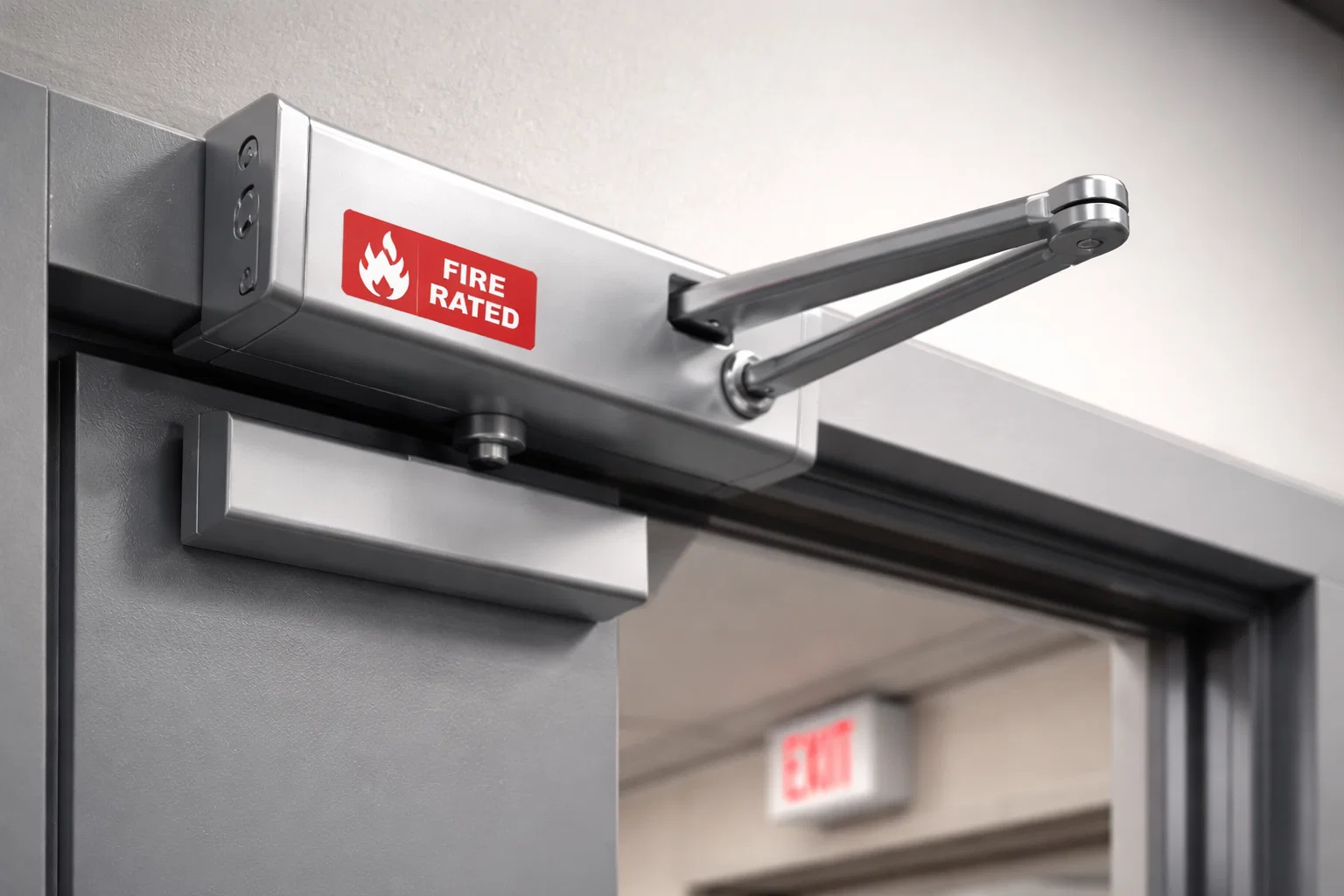
Most hydraulic door closers have three adjustment valves that control different aspects of the door’s closing cycle. Understanding what each one does helps explain why a professional adjustment produces results that a quick turn of a screwdriver often does not.
Most door closer adjustment issues are easy to spot once you know what to look for. If your door is doing any of the following, the closer settings need attention:
Our technician arrives and observes the door in operation. We watch how it opens and closes, listen for any unusual sounds, and check the arm, bracket, and mounting hardware for any issues that might be contributing to the problem.
Different closer models place their adjustment valves in different locations. We identify the sweep speed, latching speed, and back-check valves on your specific closer model before making any changes.
We adjust each valve in sequence, testing the door after each change to see the effect. This methodical approach produces accurate results and avoids over-correcting one setting at the expense of another.
For commercial properties and multi-unit buildings in New York City, we confirm that the adjusted settings meet ADA opening force requirements and applicable building codes. Proper compliance helps avoid safety issues and violations.
Once all three valves are set correctly, we open and close the door multiple times from both sides to confirm consistent, smooth operation. We check the latch engagement, listen for any residual noise, and verify that the door holds in the closed position as it should.
We note the settings used and let you know what to watch for going forward. We also advise on how often the closer may need to be rechecked based on the door's usage level and the age of the closer.
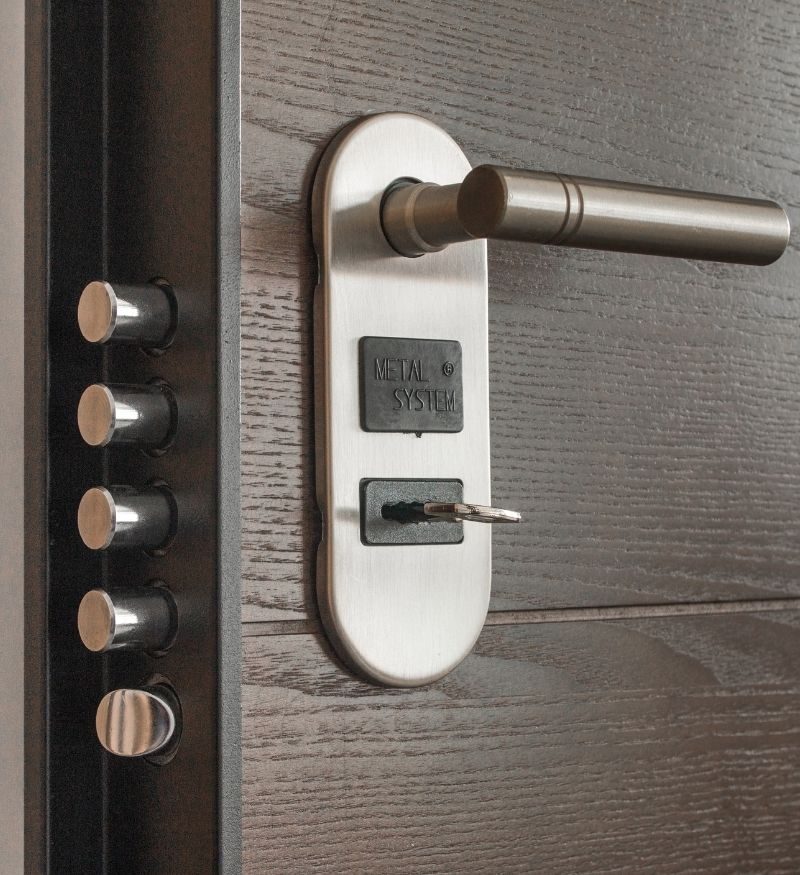
In apartment buildings and private residences, door closer adjustments are one of the most frequently needed maintenance tasks. Building entry doors, apartment unit doors, and stairwell doors all experience daily use that gradually shifts their closer settings.
A slamming apartment door is one of the most common noise complaints in New York City residential buildings. In most cases it takes no more than a simple sweep speed adjustment to fix. We carry out adjustments on:
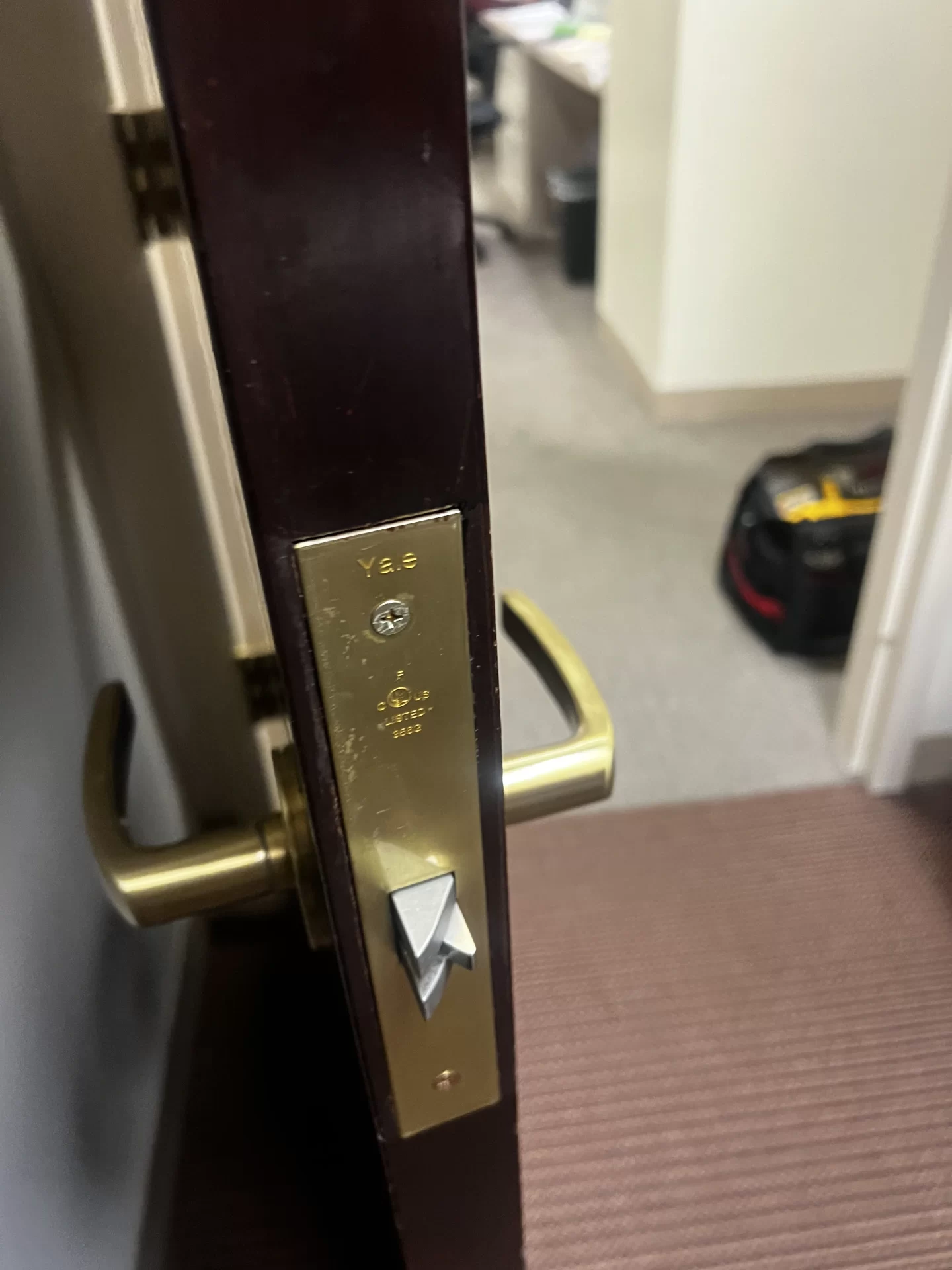
In commercial settings, door closer settings affect the experience of every customer, visitor, and employee who enters and exits the building. A door that is difficult to open creates a poor first impression and a potential accessibility issue. A door that slams creates a hostile environment and a liability risk.
For ADA compliance in commercial buildings, opening force is a regulated requirement, not just a comfort consideration. We adjust commercial door closers to meet ADA standards and NYC building code requirements for:
The Americans with Disabilities Act sets specific requirements for the force needed to open doors in commercial and public buildings. If a door requires too much force to open, it creates a barrier for people using wheelchairs, walkers, or other mobility aids, and for anyone who has limited hand or arm strength.
Under ADA guidelines, interior doors must generally open with no more than 5 pounds of force. Back-check and spring tension settings that exceed this threshold on interior doors put a business or building in violation of federal accessibility requirements.
If you have received a complaint about a door being too hard to open, or if you are preparing for an accessibility audit, call Rainbow Locksmith NY. We will assess your door closers and adjust them to meet ADA standards.
If your door is slamming, dragging, failing to latch, or fighting back when you try to open it, call Rainbow Locksmith NY. We will send a technician to your location, assess the closer, and get the settings right.
There is no fixed schedule that applies to every door or building. The frequency of adjustment depends on several key factors:
Doors in high-traffic commercial settings open and close hundreds of times daily. This constant use causes internal components to shift, requiring more frequent adjustment compared to low-use residential doors.
In New York City, seasonal temperature changes affect hydraulic fluid performance. Cold weather can slow closing speed, while warmer temperatures may cause faster movement, requiring periodic recalibration.
New door closers maintain their settings longer due to tight internal seals. Older units may experience wear in valves and seals, leading to gradual performance changes that require adjustment.
Heavier or wider doors place greater stress on the closer mechanism. This added strain can cause settings to shift more quickly, especially in commercial or metal door applications.
In some cases, a door closer that is not performing correctly cannot be fixed by adjustment alone. If the closer has any of the following issues, repair or replacement will be needed:
Our technician will identify during the on-site assessment whether adjustment is the right solution or whether further work is needed. We give you an honest answer either way.
Why Choose us?
We adjust each valve carefully and test the door after every change. We do not turn screws and hope for the best. Every adjustment is deliberate, verified, and confirmed before we leave your property.
We work with all major door closer brands including LCN, Norton, Dorma, Yale, Sargent, Rixson, GEZE, Allegion, and Corbin Russwin, as well as lesser-known models found in older New York City buildings.
You receive a clear quote before we begin any work on your door closer. The price we give you is the price you pay. There are no unexpected charges or additions to your bill at the end of the job.
We know the opening force requirements and building code standards that apply to commercial and residential properties in New York City. Every adjustment we carry out is checked against the applicable guidelines before we finish the job.
We offer same-day service throughout all five boroughs and can have a technician at your location quickly after you call. We are also available around the clock for urgent situations including weekends and public holidays.
If your closer needs more than an adjustment, we will tell you clearly and explain your options. We do not carry out unnecessary work and we do not recommend replacement when adjustment is all that is needed.
The adjustment valves on most surface-mounted closers are accessible and can be turned with a flathead screwdriver. Small incremental adjustments are possible without professional help. However, if you are not familiar with which valve does what, it is easy to over-adjust one setting and create a new problem. For ADA compliance or fire door requirements, professional adjustment is the right approach to make sure the settings meet the applicable standards.
Hydraulic fluid thickens in cold temperatures and thins in warm temperatures. This causes the closing speed to slow down in winter and speed up in summer. Seasonal adjustment can compensate for this. If the variation is severe, it may also indicate that the fluid inside the closer is aging and breaking down.
Most door closer adjustments take less than 30 minutes. If multiple doors need adjustment in the same location, our technician can work through them in a single visit.
It depends on the cause. If the spring tension inside the closer has weakened, adjustment of the speed valves will not resolve a door that drifts open. Our technician will identify the root cause during the inspection and let you know what is needed.
Yes. We work with individual tenants, building owners, superintendents, and property managers throughout New York City. We can schedule adjustments across multiple units or doors in a single visit.
If the closer returns to incorrect settings shortly after adjustment, it usually means the internal valve components are worn and the closer needs to be replaced. We will let you know during the visit if this appears to be the case.
Rainbow Locksmith NY proudly serves key neighborhoods across New York City, including Washington Heights, Midtown East, Midtown Manhattan, Murray Hill, Carnegie Hill, Manhattan NYC, Sutton Place, Upper West Side Manhattan, Harlem NY, East Village Manhattan, Upper East Side Manhattan, Yorkville Manhattan, Kips Bay Manhattan, Lenox Hill Manhattan, Hell’s Kitchen NY, Nolita, Morningside Heights, Inwood NYC, East Harlem, Lower Manhattan, Midtown Manhattan, Hamilton Heights, Chinatown, West Village, SoHo NYC, Financial District, Kingsbridge, Riverdale, Fordham, Bronx Park, Pelham, Throgs Neck, Downtown, Heights, Park Slope, Bedford Stuyvesant, Crown Heights, East New York, Williamsburg, Bushwick, Washington Heights, Central Harlem, Long Island City, Astoria, West Queens, and Ridgewood, Forest Hills. Wherever you are in these areas, we’re here to provide fast, reliable, and professional locksmith services you can trust!
Rainbow Locksmith, New York, is here to back you up in your lockout emergency crises. Whether you are stuck out of your home and have lost the key or looking to install a new master key system at your home, or change your exciting locks into the latest ones, we will be here to offer you the perfect solutions for your security needs. Our team is also specialized in guiding you with making the right security device choice for your residence or office. You are always welcome to contact us through call or email and talk to our technicians about your requirements, and they will assist you further. For better and fast assistance, contact us today. Your one-stop locksmith solution is just a click or a call away.